Is Your Property Hiding a Six-Figure Problem? Six Red Flags Every Facility Manager Should Walk the Floor For
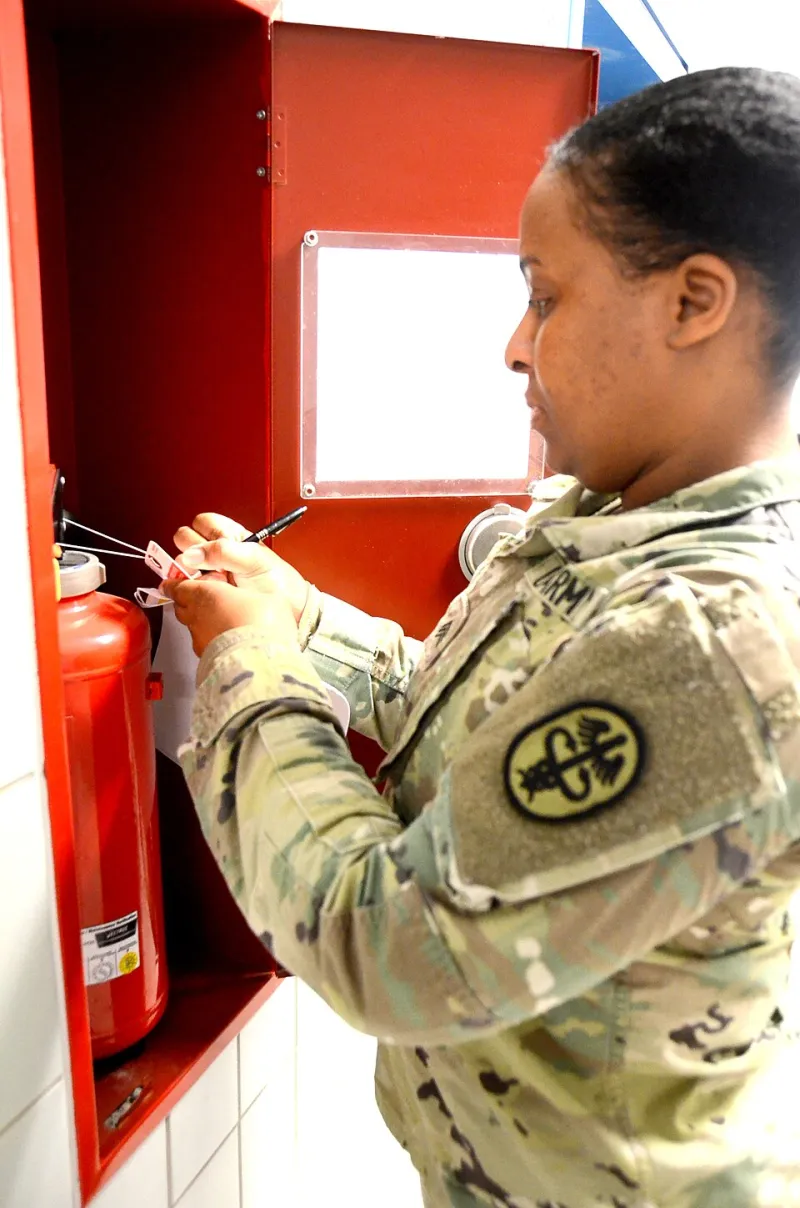
Photo: U.S. Army USAG-RP by Keith Pannell, Public domain, via Wikimedia Commons
Environmental liability has a way of surfacing at the worst possible moment: during a property sale, a refinancing, an insurance renewal, or — worst of all — an unannounced inspection. The good news is that most serious liabilities leave clues. A facility manager who knows what to look for can catch them while fixes are still routine rather than ruinous.
Here are the red flags our assessment teams encounter most often, and what to do when you spot one.
1. Legacy Waste Nobody Can Document
Every older facility has one: a corner of the warehouse with drums of unknown origin, unlabeled totes, or a "that was here when we bought the place" chemical stash. Under RCRA, the generator — that's you, regardless of who left it — owns the waste the moment it's on your property.
What to do next: Do not move, open, or consolidate unknown containers. Have them characterized by a licensed professional, then manifested and disposed of through a certified TSDF. Document everything.
2. Aging Storage Tanks, Above or Below Ground
Steel USTs installed before the late 1980s often lack modern corrosion protection, and even above-ground tanks with worn containment pads pose spill risks under SPCC rules. A tank that has "never leaked" may simply have never been tested.
What to do next: Verify tank registration with your state agency, confirm leak-detection records, and schedule integrity testing. If records don't exist, assume the worst until testing proves otherwise.
3. Discolored Soil or Stressed Vegetation
Patchy dead zones in otherwise healthy landscaping, oily sheens on puddles, or soil that stains orange, gray, or black can indicate historical spills, leaking equipment, or buried waste. Neighbors notice these things too — and sometimes attorneys ask them.
What to do next: Photograph and log the area, review historical site uses (gas station? dry cleaner? plating shop?), and commission soil sampling before the problem migrates off your property line.
4. Odors, Stains, and Film Near Drains
A solvent smell in a stairwell, a rainbow sheen on a stormwater outfall, or staining around floor drains all point to releases that may already have reached soil, groundwater, or a municipal sewer. Stormwater violations in particular draw fast penalties because they implicate public waterways.
What to do next: Trace the drainage path, review your SWPPP if you hold a stormwater permit, and get a professional assessment of whether a release is ongoing or historical.
5. A Documentation Gap
Sometimes the liability isn't in the ground — it's in the filing cabinet. Missing manifests, expired permits, no SPCC plan, no training records, no records of prior tank closures. In an enforcement action, undocumented history is treated as unfavorable history.
What to do next: Reconstruct what you can, then institutionalize: a single compliance calendar, current permits, and annual internal reviews.
6. The Building That Changed Hands — or Trades
Properties that once housed auto repair, degreasing operations, printing, or manufacturing carry elevated risk even under your clean operation today. Vapor intrusion from legacy chlorinated solvents is one of the fastest-growing liability categories in US commercial real estate.
What to do next: Pull historical aerials and Sanborn maps, review any prior Phase I ESAs, and consider a Phase II if the history is murky.
From Red Flag to Resolution
None of these signs is a verdict. Each is simply a signal that a professional site assessment is a wise investment — one that costs far less today than remediation, penalties, or litigation will cost tomorrow.
A1 Enviro's site assessment teams help facility managers across the country turn uncertainty into a clear, prioritized action plan. If any of these red flags look familiar, the best time to investigate was yesterday. The second-best time is now.