A1 Enviro A1-Rated Environmental Solutions for American Business

A1 Enviro

A1-Rated Environmental Solutions for American Business

Latest Articles

Follow Your Nose: Five Odors That Deserve a Work Order, Not a Shrug
Facility Management

Follow Your Nose: Five Odors That Deserve a Work Order, Not a Shrug

The human nose detects some contaminants at parts-per-billion levels — long before your monitoring equipment flags anything. Five common industrial smells, what each one usually means, and the escalation steps that keep a whiff from becoming a complaint letter or a spill report.

Buying the 2 A.M. Call in Advance: The Case for Pre-Negotiated Emergency Response
Facility Management

Buying the 2 A.M. Call in Advance: The Case for Pre-Negotiated Emergency Response

Most companies buy emergency spill response the worst possible way: mid-crisis, at panic pricing, from a vendor they've never vetted. Pre-negotiated response retainers convert a chaotic liability into a budgeted line item — and the CFO conversation is easier than you think.

The Visitor Badge Problem: When Third-Party Hands Touch Your Regulated Waste
Regulatory Compliance

The Visitor Badge Problem: When Third-Party Hands Touch Your Regulated Waste

Your generator status doesn't care whose hands moved the drum — only that they moved it. Contractors, temps, and delivery drivers represent the most commonly untrained link in the hazardous waste chain, and enforcement history shows the generator pays when that link fails. Here's how to close the gap.

Nose on the Property Line: How a Neighbor's Complaint Becomes an Air Quality Enforcement File
Regulatory Compliance

Nose on the Property Line: How a Neighbor's Complaint Becomes an Air Quality Enforcement File

Odor is not just a public relations nuisance — it is a regulated emission pathway that state agencies treat as evidence. This piece explains how informal complaints escalate into formal investigations and what documentation separates a defensible operation from an enforcement target.

Your Parking Lot Is a Water Asset: Pricing the New Wave of Stormwater Credit Programs
Facility Management

Your Parking Lot Is a Water Asset: Pricing the New Wave of Stormwater Credit Programs

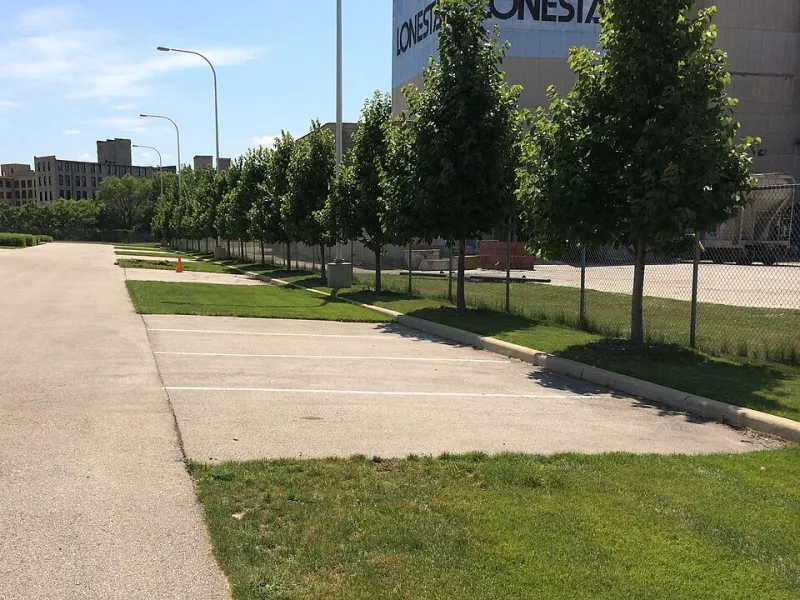
Municipalities across the US are turning stormwater into a tradable commodity through retention credits and fee-in-lieu programs. Property owners who audit their impervious surfaces now may find their compliance obligation is quietly becoming a balance-sheet opportunity.

Shared Containers, Shared Consequences: Six Ways Multi-Tenant Parks Inherit Each Other's Hazardous Waste
Facility Management

Shared Containers, Shared Consequences: Six Ways Multi-Tenant Parks Inherit Each Other's Hazardous Waste

In multi-tenant industrial parks, waste streams blur — and so does generator liability. This listicle-style breakdown walks through six common co-generation and shared-disposal failure patterns, and the manifest and profiling disciplines that keep your name off someone else's drum.

One Afternoon of Artificial Rain: What a Simulated Storm Reveals That Your SWPPP Never Will
Facility Management

One Afternoon of Artificial Rain: What a Simulated Storm Reveals That Your SWPPP Never Will

A controlled rainfall simulation can expose undocumented outfalls, failing BMPs, and hidden discharge pathways in a single afternoon — long before a regulator, a neighbor, or a hundred-year storm does. Here is how the process works, how to read the results, and how to turn findings into a defensible record of good-faith compliance.

Deadlock at the Retention Basin: When Co-Owners Can't Agree Who Pays for Cleanup
Facility Management

Deadlock at the Retention Basin: When Co-Owners Can't Agree Who Pays for Cleanup

Jointly owned commercial property can become ungovernable the moment a regulator names a shared stormwater pond in a consent order. This article examines the legal levers available to deadlocked co-owners — from partition actions to buyout mechanics — and the practical steps minority stakeholders can take before the dispute hardens.

The Field That Forgot: Why Decades of Doing Nothing Can Still Cost You
Facility Management

The Field That Forgot: Why Decades of Doing Nothing Can Still Cost You

Owning an untouched parcel for twenty years feels like the safest kind of real estate, but inactivity is not immunity. Neighboring operations, unobserved dumping, and shifting standards such as PFAS limits can quietly load a dormant property with obligations. This framework helps owners audit legacy land and choose between testing, selling, or holding.

Binder on the Shelf, Sediment in the Ditch: Closing the Gap Between Your SWPPP and Your Site
Regulatory Compliance

Binder on the Shelf, Sediment in the Ditch: Closing the Gap Between Your SWPPP and Your Site

Most industrial facilities hold a current NPDES stormwater permit and a thick pollution prevention plan — yet inspectors routinely document outfalls, exposure, and best management practices that bear little resemblance to the document on file. Here is where that gap opens up, what it costs, and how a disciplined audit closes it before an enforcement officer does.

What the Public Record Knows About the Parcel Next Door
Regulatory Compliance

What the Public Record Knows About the Parcel Next Door

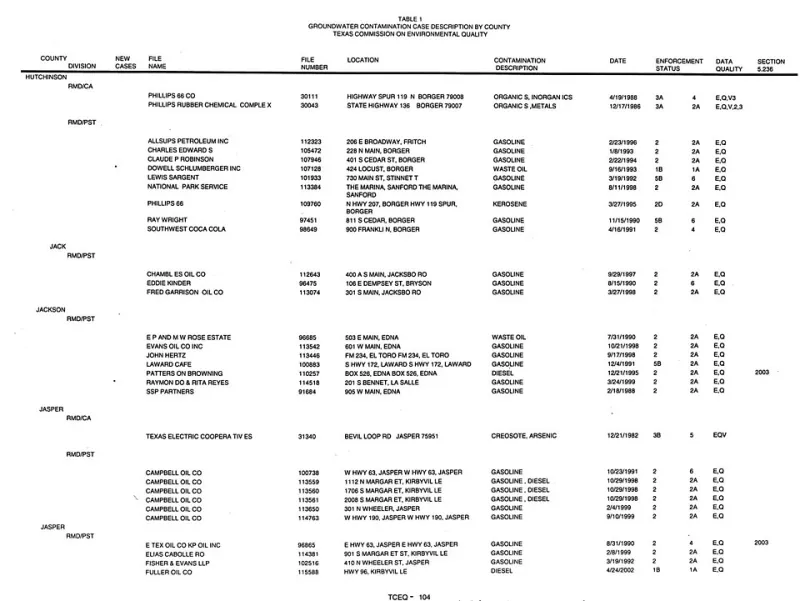
Contamination rarely stops at the property line, and neither does the paper trail that documents it. This guide explains how US businesses can lawfully assemble an environmental profile of neighboring parcels using public databases, FOIA requests, and agency files — and how to read the silences in those records.

Twelve Drums to Trouble: When a Workshop Becomes a Regulated Waste Site
Regulatory Compliance

Twelve Drums to Trouble: When a Workshop Becomes a Regulated Waste Site

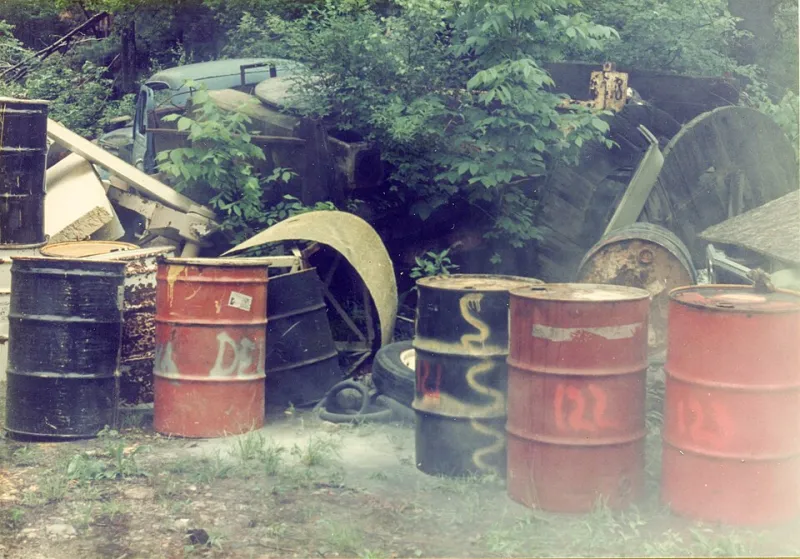
Most business owners assume RCRA hazardous waste rules were written for smokestack industry, not for them. In reality, a few dozen drums of spent solvent or waste paint can place a company squarely under federal generator standards. This article explains how the thresholds work, where small operations typically stumble, and how to stay compliant without hiring a full environmental department.

Before the Keys Change Hands: Vetting the Business Next Door for Contamination Risk
Facility Management

Before the Keys Change Hands: Vetting the Business Next Door for Contamination Risk

Your new tenant's biggest environmental threat may not be inside their four walls — it may be seeping under them. A practical framework for brokers and business owners to evaluate adjacent properties, from state leak databases to lease-negotiation leverage, before the ink dries.

The Air You Can't See: Why Sub-Slab Sampling Should Precede Every Lease Renewal
Facility Management

The Air You Can't See: Why Sub-Slab Sampling Should Precede Every Lease Renewal

Vapor intrusion is quietly becoming the defining environmental issue of the decade for commercial tenants and landlords. Before signing that next renewal, facility managers should understand what's migrating up from beneath the slab — and who will pay if the numbers come back high.

The Ditch That Became a Jurisdiction: Rebuilding Site Plans After Wetland Rules Shift
Regulatory Compliance

The Ditch That Became a Jurisdiction: Rebuilding Site Plans After Wetland Rules Shift

A drainage channel that was 'non-jurisdictional' at permit approval can become federally protected water mid-construction. We outline a practical re-verification protocol and the design strategies that keep projects near water features moving when the rules change beneath them.

Ghost Tenants, Real Liabilities: A Landlord's Duty When the Contaminator Left Decades Ago
Regulatory Compliance

Ghost Tenants, Real Liabilities: A Landlord's Duty When the Contaminator Left Decades Ago

When an industrial tenant from the 1970s left behind solvent-laden soil, the landlord who never touched a drum of chemicals may still be the one holding the bill. This article examines how successor and residual liability works under US environmental law, how to trace historical tenant operations, and what lease structures can protect property owners going forward.

Who Cleans Up the Spill? Allocating Environmental Liability in Triple-Net Lease Relationships
Facility Management

Who Cleans Up the Spill? Allocating Environmental Liability in Triple-Net Lease Relationships

A leaking hydraulic lift or an undocumented waste drum can turn a routine tenancy into a six-figure dispute. This article examines how triple-net lease language, CERCLA's strict liability scheme, and environmental insurance interact when contamination surfaces on leased commercial property.

Groundwater Doesn't Respect Fences: A Property Owner's Guide to Off-Site Migration Liability
Regulatory Compliance

Groundwater Doesn't Respect Fences: A Property Owner's Guide to Off-Site Migration Liability

When contamination from an adjacent parcel migrates onto your property, the question of who pays is rarely settled by the property line. This guide walks through commingled plume disputes, cost-recovery options, and the immediate steps owners should take once migration is suspected.

Buried Obligations: The Forgotten Lagoons and Wastewater Systems Lurking on Commercial Parcels
Regulatory Compliance

Buried Obligations: The Forgotten Lagoons and Wastewater Systems Lurking on Commercial Parcels

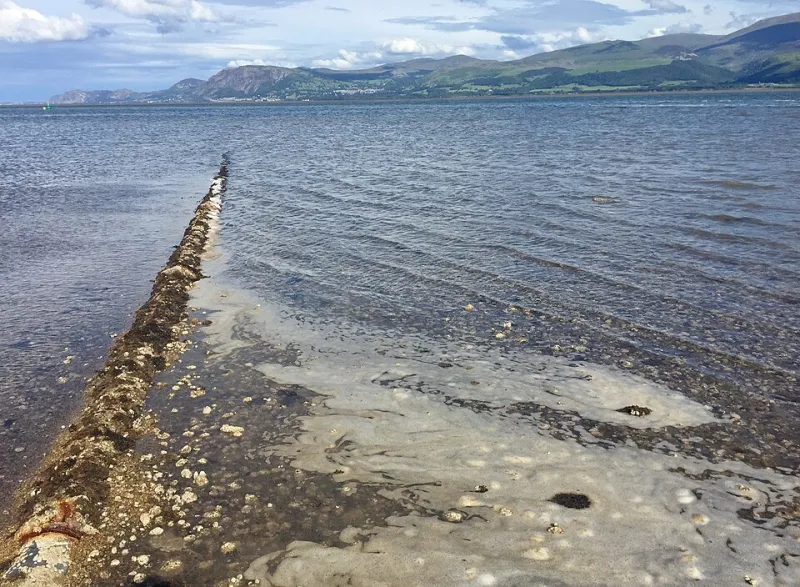
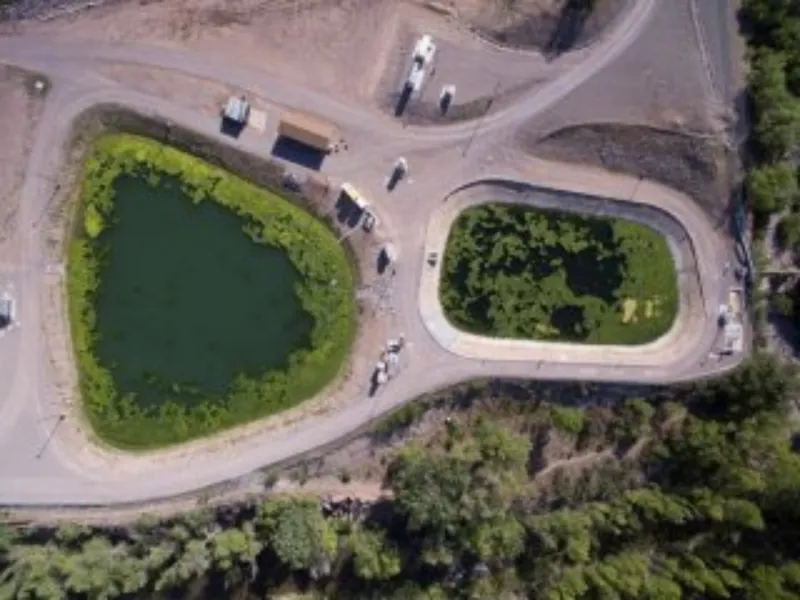
Decades-old septic lagoons and wastewater impoundments still dot commercial and industrial properties across rural and suburban America — and many owners don't know they exist until a state inspector does. This article explains how these legacy systems surface, what regulators expect, and how to close or repurpose one without an enforcement action.

From Filling Station to Founders' Row: The Funding Machinery Behind Small-Town Brownfield Turnarounds
Regulatory Compliance

From Filling Station to Founders' Row: The Funding Machinery Behind Small-Town Brownfield Turnarounds

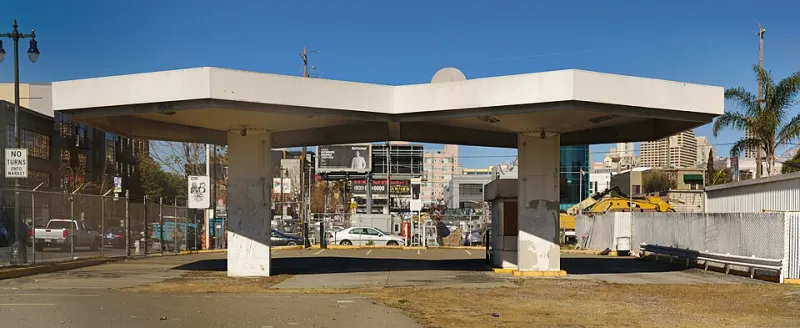
Across the country, shuttered gas stations, dry cleaners, and machine shops are becoming breweries, clinics, and mixed-use storefronts — often with public money covering the cleanup. Here is how state and federal brownfield programs actually award those dollars, and what determines whether your site gets in line.