When the Discount Comes With a Complication: Rethinking Environmental Risk in Distressed Asset Acquisitions
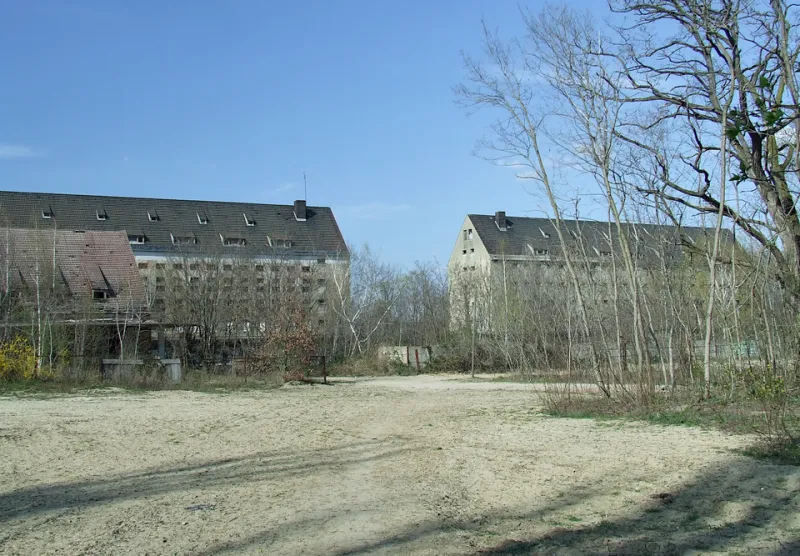
Photo: Trio3D, CC BY-SA 4.0, via Wikimedia Commons
Distressed assets have always occupied a peculiar corner of the American commercial real estate market. A shuttered manufacturing plant in the Rust Belt, a half-vacant retail center outside Phoenix, a former plating shop in New Jersey — these properties trade at prices that can make a pro forma sing. Yet the discount exists for a reason, and frequently that reason is buried in the soil, the groundwater, or a maintenance record nobody kept.
Standard environmental due diligence is designed to answer a narrow question: is there recognized environmental conditions such that a lender should be concerned? For distressed transactions, that question is often too small. Buyers who treat a Phase I report as the finish line routinely discover that the real exposure begins after closing.
The Limits of a File Review
A Phase I Environmental Site Assessment relies heavily on historical records, regulatory databases, and interviews. When a property has passed through bankruptcy, foreclosure, or an abandoned corporate structure, the paper trail degrades badly. Prior owners may be dissolved. Files may have been lost in a landlord's basement or a county records office. Interviews go nowhere because the people who operated the site two decades ago are gone.
The result is a report full of qualifiers — "unable to verify," "no records available" — that technically satisfy ASTM standards while telling the buyer very little. On a distressed asset, the absence of evidence is not evidence of absence. It is often evidence of administrative collapse.
Where the Hidden Costs Cluster
Experience across hundreds of distressed acquisitions points to a handful of recurring trouble spots:
- Deferred maintenance on containment systems. Secondary containment, sumps, and tank systems degrade quietly when a facility is operating on a caretaker budget.
- Vapor intrusion. Sub-slab vapor issues from chlorinated solvents were not a routine consideration when many industrial sites were last assessed. A 1998 Phase I tells you almost nothing about 2024 vapor pathways.
- Asbestos and lead in buildings left unconditioned. Moisture intrusion, vandalism, and frozen pipes in vacant structures turn routine abatement into larger demolition-adjacent projects.
- Regulatory status gaps. Lapsed permits, unclosed enforcement actions, and unregistered tanks can transfer — practically if not always legally — to the new owner's to-do list.
Each of these carries a cost curve that steepens with delay. A vapor issue identified pre-closing can be priced into the purchase. The same issue discovered during tenant build-out arrives with change orders, schedule slips, and attorneys.
Pricing Risk Instead of Avoiding It
None of this argues against distressed acquisitions. It argues for a diligence model that matches the asset. Sophisticated buyers increasingly pair the standard Phase I with targeted Phase II sampling at the points of greatest uncertainty — the former drum storage area, the dry cleaner that operated next door in the 1980s, the floor drains that never had a documented discharge point.
The economics are straightforward. A focused subsurface investigation might cost $15,000 to $60,000 on a mid-size industrial asset. That figure is trivial next to the carrying cost of a remediation obligation discovered after the debt is placed. Where contamination is confirmed, buyers have tools: environmental insurance, cost cap policies, state voluntary cleanup programs, and lender-negotiated escrows. All of them work better when negotiated before the purchase agreement is signed, not after.
The Takeaway for the Deal Team
The distressed discount is compensation for risk, but only if the risk is actually measured. Treat environmental diligence on impaired or neglected property as a capital allocation exercise rather than a checkbox. Ask what the Phase I could not confirm, spend a modest amount to find out, and negotiate the remedies you can while you still have leverage.
In this market, the buyers who outperform are rarely the ones who found the cheapest property. They are the ones who knew, with reasonable confidence, what they were buying — and what it would cost to make it whole.