Buried Obligations: The Forgotten Lagoons and Wastewater Systems Lurking on Commercial Parcels
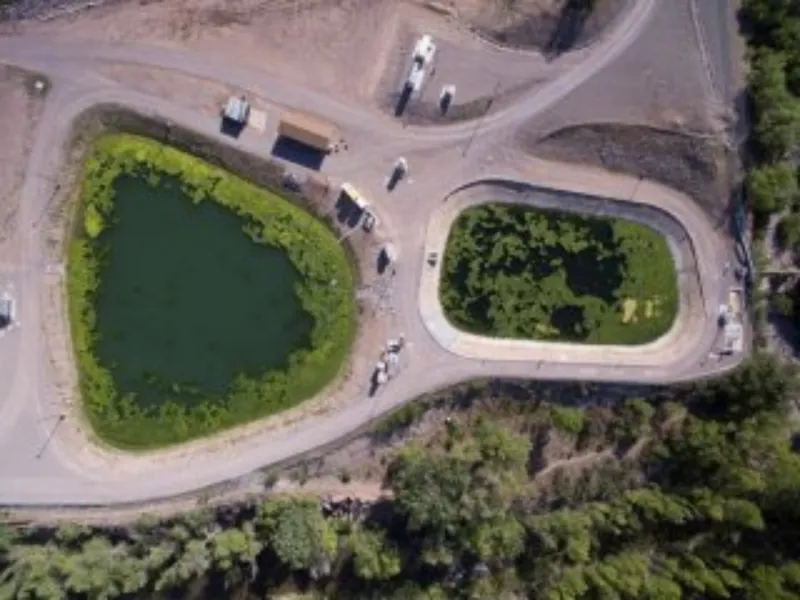
Photo: abandoned septic lagoon pond on rural commercial property aerial view, via www.lemna.com
A buyer walks a 14-acre light industrial parcel in the Midwest. The buildings are sound, the parking lot drains well, and the price reflects a motivated seller. What the site tour doesn't reveal — and what the Phase I report only hints at — is a sludge-filled septic lagoon behind the tree line, installed in 1972 and abandoned from record-keeping sometime in the 1990s.
Scenarios like this play out across the country every year. Rural and suburban commercial parcels, particularly those that once hosted manufacturers, food processors, campgrounds, mobile home parks, and truck stops, frequently carry legacy onsite wastewater systems: septic lagoons, holding ponds, and unlined impoundments built under rules that have since been rewritten several times over. These features can outlive the businesses that built them by decades, transferring quietly from owner to owner like a buried easement nobody reads.
How Owners Inherit a System Nobody Documented
Most legacy lagoons surface in one of three ways. The first is a records review during environmental due diligence — aerial photographs from the 1970s and 1980s often show a distinct rectangular pond where current imagery shows grass. The second is a physical discovery: a contractor hits dark, organic soil while trenching a utility line, or a facility manager notices an unusually wet, ringed depression that never dries out. The third, and least comfortable, is a visit from a state or county environmental agency, sometimes prompted by a neighbor's complaint or a statewide inventory initiative.
State regulatory databases are far more complete than most property owners assume. Many agencies have spent the last decade digitizing permits from the 1970s forward, and some now cross-reference those records against current parcel ownership. In several states, the legal obligation to properly close an abandoned wastewater system runs with the land — meaning the current owner, not the builder, is the party the agency contacts.
What Regulators Typically Require
Requirements vary by state, but the pattern is consistent enough to generalize. When a legacy lagoon or impoundment is identified, the responsible agency generally wants three things:
- Notification. Many states expect the owner to report the discovery within a defined window, particularly if the system may have received industrial or process wastewater rather than domestic sewage.
- Characterization. Sampling of lagoon sediments and underlying soils determines whether the system held ordinary sanitary waste or something more consequential — solvents, metals, or food-processing byproducts change the regulatory pathway considerably.
- Closure under an approved plan. Proper closure usually involves pumping out liquids, testing and managing accumulated sludge, backfilling with clean material, and restoring grade — all documented and, in many jurisdictions, certified.
The distinction between a domestic septic lagoon and one that received industrial discharge is the fulcrum on which cost and liability turn. A clean sanitary lagoon closure might run a few tens of thousands of dollars. An impoundment that concentrated heavy metals or chlorinated solvents in its sludge layer can escalate into a full remediation project, and if groundwater is affected, into a reportable release.
The Enforcement Question
Agencies generally prefer voluntary closure over enforcement. A property owner who self-identifies a legacy system, engages a qualified environmental contractor, and moves through closure in good order typically encounters a cooperative regulatory process. The calculus changes when an agency discovers the system first, or when sampling reveals off-site migration. At that point, the conversation shifts from closure scheduling to notices of violation, penalty assessments, and compliance orders.
Timing matters for another reason: real estate transactions. An undocumented lagoon discovered during a buyer's due diligence can stall financing, trigger price renegotiation, or kill a deal outright. Sellers who address legacy systems ahead of listing — with closure documentation in hand — convert a liability into a selling point.
Close, Repurpose, or Formalize
Not every legacy lagoon must be excavated. Three outcomes are common:
Full closure. The system is pumped, cleaned, backfilled, and decommissioned. This is the cleanest path for parcels being redeveloped or sold.
Repurposing. Some lagoons are converted to stormwater retention basins, irrigation ponds, or aesthetic water features, provided closure requirements for the wastewater function are met and the new use complies with local stormwater and safety rules. Fencing and signage obligations often apply.
Continued permitted use. Occasionally a lagoon is still functional and can be brought into compliance — permitted, lined, or upgraded — particularly for rural operations still relying on onsite treatment.
The right choice depends on the parcel's future use, the lagoon's condition, and the state's closure framework. A1-rated environmental contractors can sequence characterization, agency negotiation, and closure so the work satisfies both regulators and lenders in a single mobilization.
A Practical Sequence for Owners
Facility managers and property owners who suspect a legacy wastewater system on their parcel should move deliberately:
- Pull historical aerials, sanitary district records, and old building permits before disturbing anything.
- If a feature is confirmed, sample sediments and soils before pumping or backfilling — disturbing an undocumented impoundment without characterization can create a reportable event.
- Notify the state agency early. Voluntary disclosure is consistently the least expensive regulatory path.
- Document closure thoroughly. A closure report filed with the agency becomes the record that protects future transactions.
The tank in the back forty — or the lagoon behind the tree line — is not a problem that improves with age. It is a known category of liability with a well-established path to resolution, and the owners who address it on their own timeline almost always fare better than those who wait for the agency's letter to arrive.