Reading Between the Line Items: How Low-Ball Remediation Bids Balloon After the Signature
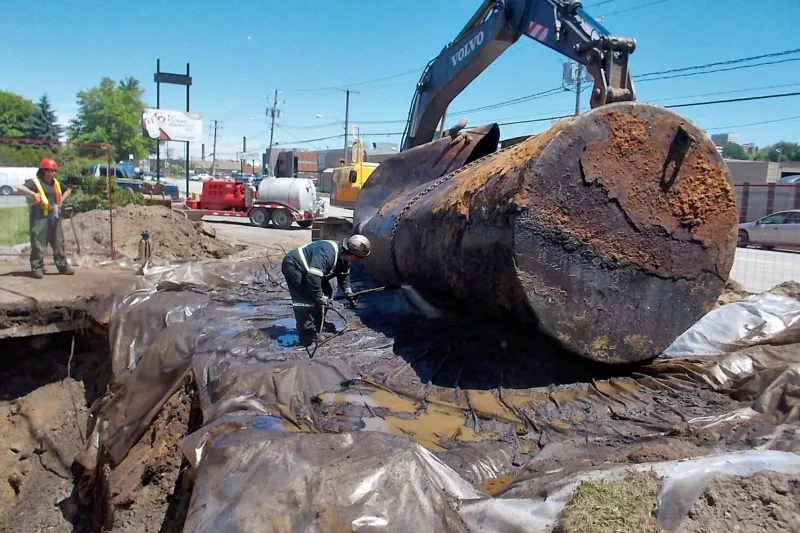
Photo: environmental contractor excavating contaminated soil industrial site, via images.squarespace-cdn.com
Every facility manager who has hired an environmental contractor has seen it: three bids on the same scope of work, and one of them comes in dramatically lower than the rest. The temptation to sign is obvious. The budget looks like a hero, and the project moves forward under the number everyone hoped for.
Then the invoices start.
The Anatomy of a Low-Ball Bid
Aggressive pricing in environmental services is rarely a sign of efficiency. More often, it's a deliberate strategy: win the contract at a loss, then recover margin through mechanisms the client agreed to before anyone set foot on site.
The most common pressure points include:
- Change orders driven by "unforeseen conditions." A contractor who never budgeted for proper site characterization will discover surprises constantly — and each one becomes a priced addendum.
- Disposal fee markups. Transport and disposal of contaminated material is passed through to the client, frequently with a 15–30% markup buried in fine print. A low bid that assumed minimal waste volumes flips into a profit center the moment excavation runs deep.
- Underinsured operations. A contractor carrying minimal pollution liability coverage transfers long-tail risk straight to your balance sheet. If their work causes a release next year, their policy limit is where your recovery ends.
- Labor and equipment games. Mobilization fees, standby time, and per-diem charges that were vague in the bid become precise — and expensive — in practice.
A Side-by-Side: One Project, Three Price Points
Consider a representative project: a 40,000-gallon UST removal and soil remediation at a manufacturing facility in the Midwest, submitted to three vendors.
| Cost Element | Vendor A (Low Bid) | Vendor B (Mid) | Vendor C (High) |
|---|---|---|---|
| Base bid | $118,000 | $142,000 | $161,000 |
| Change orders (overburden, groundwater) | $34,500 | $9,200 | $4,100 |
| Disposal markup on 1,400 tons of soil | $21,000 (25%) | $9,800 (15%) | $0 (pass-through, invoiced at cost) |
| Mobilization, standby, per-diem overages | $8,700 | $3,400 | $1,900 |
| Total cost of closure | $182,200 | $164,400 | $167,000 |
The cheapest sticker price finished 11% above the mid-range bid and 9% above the highest. And that comparison is generous — it assumes Vendor A's work passed closure the first time. Where a low-bidder's documentation fails regulatory scrutiny, re-excavation and resampling costs land on the owner.
Why the Regulator Doesn't Care What You Paid
State environmental agencies and the EPA evaluate closure on demonstrable results: clean confirmatory sampling, defensible documentation, and proper manifests. A bargain contractor who cuts corners on sampling density or lab turnaround doesn't deliver a cheaper closure — they deliver an open file with your name on it. The No Further Action letter, the document that actually protects your property value and your lender relationship, is earned by process, not price.
A Framework: Compare Total Cost of Closure, Not Sticker Price
Before awarding any environmental contract, evaluate bids on four dimensions:
1. Scope symmetry. Require every bidder to price the identical work plan, sampling protocol, and disposal assumptions. A bid that excludes groundwater assessment or assumes shallower contamination isn't comparable — it's incomplete.
2. Pass-through transparency. Demand that disposal, lab, and freight costs be invoiced at documented cost with no markup, or with a stated, capped percentage. This single clause neutralizes the most common low-ball recovery mechanism.
3. Change order discipline. Contract a unit-price schedule for contingencies — per-ton soil rates, per-foot excavation, per-sample lab fees — before mobilization. Surprises become predictable costs instead of negotiated hostage situations.
4. Insurance and licensure. Verify pollution liability coverage (not just general liability), request certificates naming your entity as additional insured, and confirm contractor licensure in your state. A vendor who resists this scrutiny has answered your question already.
The A1 Standard
The environmental services market prices risk one way or another. A-rated contractors put the risk in their bid; discount contractors defer it into your future. When you evaluate your next remediation proposal, ask the only question that matters at closure time: what does done actually cost? Vendors who can show you that number — documented, unit-priced, and insured — are the ones worth signing.
The difference between a bid and a bargain is what happens after mobilization. Choose the partner whose pricing survives contact with the site.