Your Year-End Compliance Wall Calendar: The Quarterly Deadlines Every US Manufacturing Facility Must Track

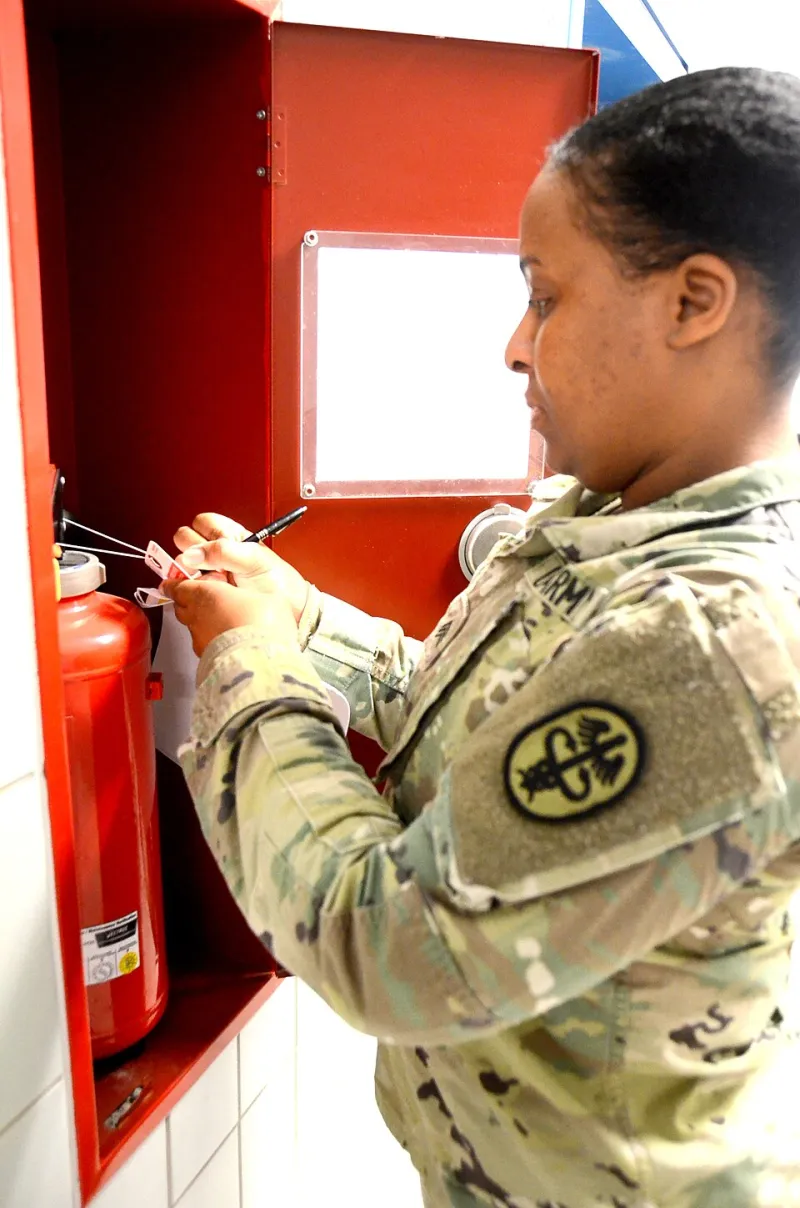
Photo: industrial facility manager reviewing printed calendar clipboard manufacturing plant, via img.freepik.com
Ask ten facility managers which environmental deadline worries them most and you will get ten different answers. Ask which deadline has actually burned them and the answer is almost always the same one: the deadline they forgot existed.
Environmental obligations for US manufacturers don't arrive politely one at a time. They stack. A Tier II report, a semi-annual air permit deviation report, a quarterly generator status determination, and a stormwater inspection can all land within the same three-week window — and missing any one of them carries its own penalty structure.
With year-end compliance planning season upon us, here is a wall-ready quarterly framework. Print it. Laminate it. Put it next to the production schedule where it can't be ignored.
Q1: January – March (The Reporting Quarter)
January 1 — New year, new generator category. Determine your RCRA hazardous waste generator status (VSQG, SQG, or LQG) based on the prior month's accumulation. Your category dictates accumulation limits, training requirements, and inspection frequency for the entire year.
January 31 — Hazardous waste biennial report check. Large quantity generators in states requiring annual or biennial reporting should confirm whether the current cycle includes them and begin compiling manifest data now, not in March.
March 1 — EPCRA Tier II inventory reports due. Facilities storing hazardous chemicals above threshold quantities (typically 10,000 pounds for most chemicals; lower for extremely hazardous substances) must file Tier II reports with the state emergency response commission (SERC), local emergency planning committee (LEPC), and fire department.
Who owns it: EHS manager, with input from the chemical inventory lead. If it slips: Civil penalties for late or unfiled Tier II reports commonly run into the thousands of dollars per chemical, per day, depending on the state.
Q2: April – June (The Air Quarter)
Ongoing — Title V and synthetic minor permit obligations. Most air permits require semi-annual monitoring reports and annual compliance certifications. Mid-year is when the first semi-annual report is typically due — confirm your permit's specific dates.
Spring — SPCC plan review. Facilities subject to SPCC rules must complete a periodic review of the plan and document it. Pair the review with a visual inspection of secondary containment and oil-filled equipment.
April–June window — Stormwater dry-season inspections. Under the Multi-Sector General Permit (MSGP), quarterly routine facility inspections should be documented each quarter, and benchmark monitoring results must be logged as collected.
Who owns it: Environmental coordinator, supported by the maintenance lead for containment checks. If it slips: Air permit violations are among the most cited findings in EPA and state enforcement actions, and they compound — an unreported deviation becomes a second violation on top of the first.
Q3: July – September (The Waste Quarter)
Every 90 days (LQGs) / 180 days (SQGs) — Accumulation time limits. Mark the accumulation start date on every container and calendar the removal deadline. Exceeding the time limit reclassifies your waste and your liability.
Quarterly — Manifest reconciliation. Confirm that signed copies of hazardous waste manifests have returned from the designated facility and the transporter. LQGs must keep copies on file and resolve discrepancies.
Quarterly — Used oil, universal waste, and solvent wipe audit. Satellite accumulation areas have a way of quietly becoming non-compliant over a summer of production surges. Walk them.
Who owns it: Waste program owner, with purchasing confirming contractor pickups are scheduled. If it slips: Accumulation violations are strict liability — intent doesn't matter to an inspector holding a clipboard.
Q4: October – December (The Audit and Renewal Quarter)
October–November — Annual training completion. RCRA, SPCC, stormwater, and air training requirements should be closed out before the holiday production crunch, not during it.
December 1 — Next-year compliance calendar built. Pull every permit, registration, and reporting obligation into next year's calendar with named owners and 30-day advance reminders.
Year-end — Annual compliance certification and fee renewals. Many state air programs and Title V permits require annual certifications and emissions statements by year-end or early Q1. Confirm your state's exact date — they vary widely.
Who owns it: EHS manager, reporting to plant leadership. If it slips: A missed certification can void the permit shield that protects your operations, turning every prior compliance effort into an open question.
Making the Calendar Stick
A wall calendar only works if three things are true: every deadline has a named owner, every owner has a backup, and every deadline is visible to someone above the EHS function. The most reliable compliance programs we see at A1 Enviro treat these dates like safety metrics — reviewed in monthly operations meetings, not just tracked in a spreadsheet nobody opens.
Year-end planning season is the right moment to audit last year's misses. Every slipped deadline from the past twelve months is a data point about where your program needs reinforcement. Build next year's calendar around those gaps, and the wall stops being decoration and starts being infrastructure.