Binder on the Shelf, Sediment in the Ditch: Closing the Gap Between Your SWPPP and Your Site
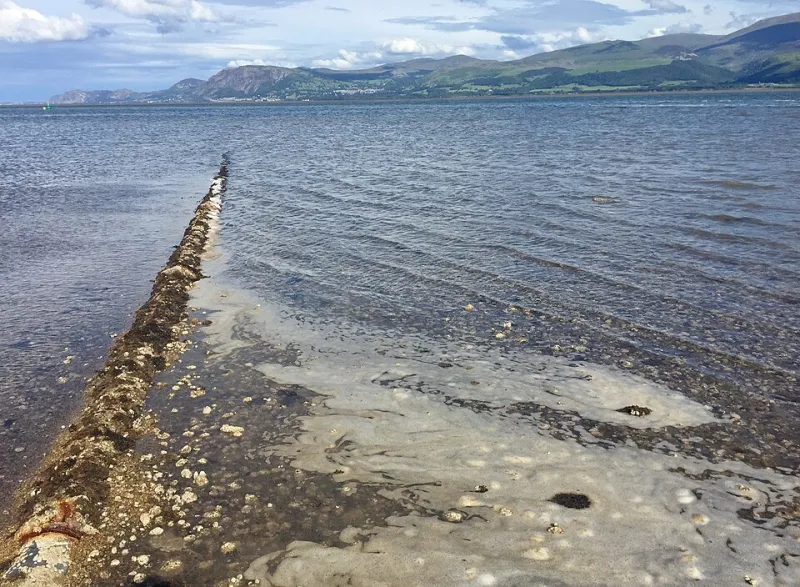
Photo: Alan Hughes , CC BY-SA 2.0, via Wikimedia Commons
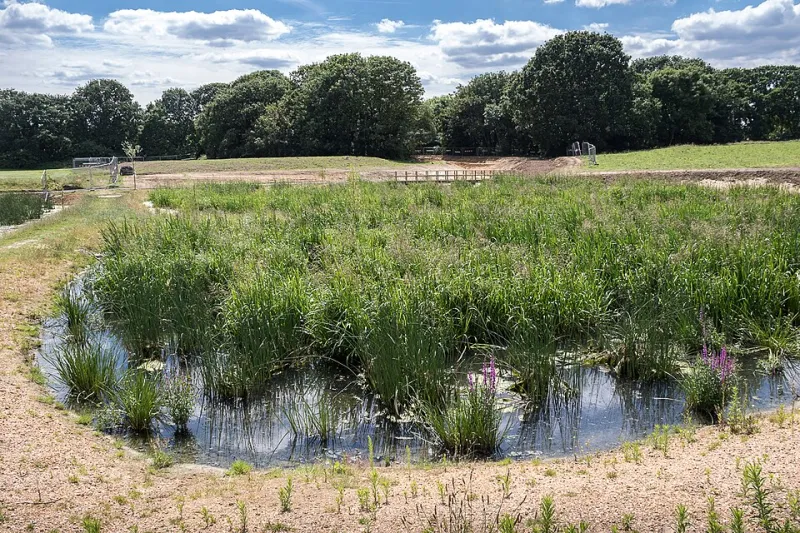
Somewhere in your facility right now — likely in a three-ring binder in the environmental coordinator's office, or in a shared drive folder nobody has opened since the last renewal — sits a Stormwater Pollution Prevention Plan. It describes vegetated swales. It references a spill kit at the loading dock. It names a stormwater team that may or may not still be on payroll.
The question that matters during an EPA or state inspection is not whether the SWPPP exists. It is whether the site matches it.
How the Gap Opens
SWPPPs rarely fail dramatically. They drift. A contractor regrades the south yard and the drainage pattern changes. The drum storage area documented in Section 4 moves to the opposite end of the building. The sediment pond fills in gradually until it functions as a shallow lawn. None of this shows up in the permit file, because nothing about the permit requires the file to chase reality — only the operator does.
The most common findings inspectors document include:
- Outdated site maps that no longer reflect outfall locations or drainage pathways
- Structural BMPs in disrepair — silt fences collapsed, inlet protection missing, catch basins half full of sediment
- Stagnant routine inspections, with quarterly forms signed but timestamps, photos, and corrective actions conspicuously uniform
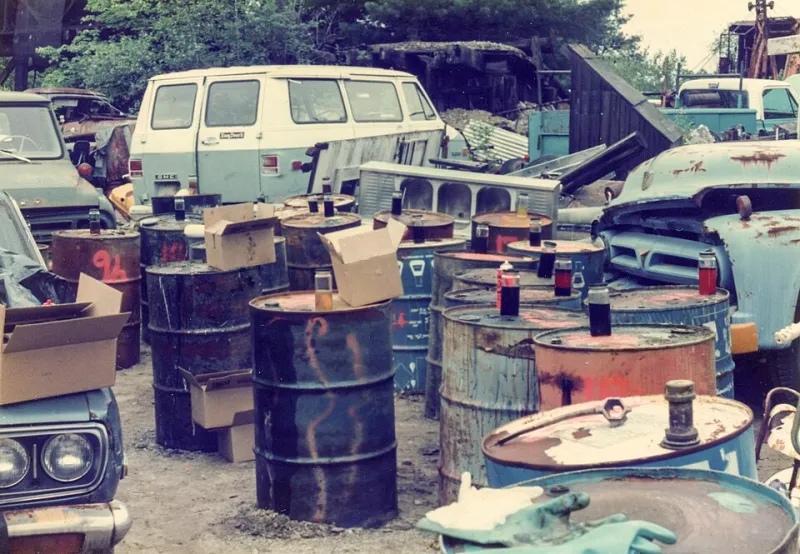
- Exposure problems the plan never anticipated: raw material stockpiles uncovered, waste containers left open near a drain
- Missing training records for personnel named in the plan who left the company years ago
Under the Multi-Sector General Permit administered through the NPDES program — and under state-issued permits in places like Texas, California, and Pennsylvania — each of these is a documented deficiency, not a technicality.
What Brings the Inspector to Your Gate
Facilities rarely get inspected at random. Complaints from neighbors, visibly discolored discharge reaching a municipal storm drain, citizen monitoring data from a local watershed group, and sector-based targeting by the permitting authority all drive inspection schedules. A facility that files a Notice of Intent and then goes quiet for five years should not assume silence equals safety. In practice, the quieter the paper trail, the more interesting the site looks when someone finally visits.
And the visit is rarely short. Inspectors walk the outfalls, photograph the BMPs, and then — almost as an afterthought that decides everything — ask to see the SWPPP and the inspection logs. When the binder contradicts the gravel lot outside the door, the enforcement case writes itself.
The Audit That Turns a Liability Into a Defense
A proactive stormwater audit inverts the inspection. Instead of an agency comparing your site to your plan, your own team does it first — walking every outfall, tracing every flow path, and documenting every deviation from the written plan. The output is not just a list of problems; it is a record.
A defensible audit should produce:
- A corrected site map reflecting current drainage, outfalls, and industrial activity areas
- A BMP condition assessment with photographs and dates
- A corrective action log showing what was found, what was fixed, and when
- Revised SWPPP language for procedures that changed in practice
- Current training documentation for the personnel actually on site
This matters more than it might seem. Under most general permits, good-faith corrective action taken before an inspection substantially mitigates penalties. An enforcement officer finding a documented problem with a dated fix is reading a compliance program. Finding an undocumented problem is reading neglect.
Making the Paper Match the Ground
The fix is organizational, not heroic. Assign ownership of the SWPPP to a named person, not a department. Tie quarterly inspections to calendar events with photographic requirements. Require that any site modification — paving, grading, new storage — trigger a same-month review of the plan. Keep the binder where the work happens, not where the paperwork lives.
Stormwater compliance is one of the few environmental programs where the evidence is visible from the air and the paperwork is checked afterward. Facilities that treat the SWPPP as a living description of the site, rather than a permit condition to be filed, find that inspections become brief and uneventful. That is the goal: a plan an inspector can read in the morning and verify on the ground by lunch — with nothing surprising anyone.