Deadlock at the Retention Basin: When Co-Owners Can't Agree Who Pays for Cleanup
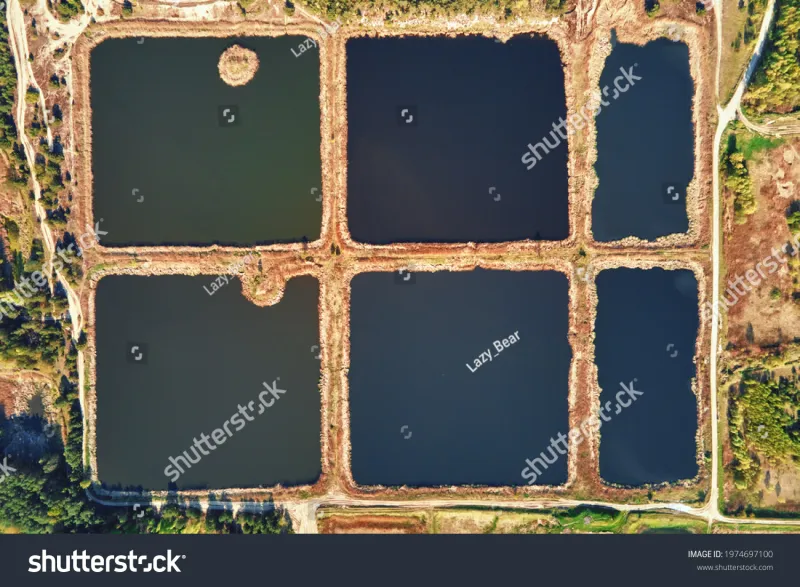
Photo: commercial stormwater retention pond office park aerial view, via image.shutterstock.com
A retention basin is supposed to be the least controversial feature on a commercial parcel. It collects runoff, slows sediment, and quietly satisfies a stormwater permit. But when sampling reveals contaminated sediment — or when a state agency names the pond in a consent order — that unassuming basin can become the fault line that splits a group of co-owners down the middle.
Joint ownership works fine while the property generates rent and demands nothing. It fails badly when the property demands a six-figure cleanup and the co-owners cannot agree on whether the expense is justified, how it should be allocated, or whether selling is the smarter move. For facility managers and minority stakeholders caught in the middle, understanding the mechanics of this deadlock is the first step toward escaping it.
Why Shared Ownership Complicates Environmental Response
Most jointly held commercial real estate involves an LLC or tenancy-in-common arrangement, with decisions reserved for a supermajority or unanimous consent. That structure protects owners from rash spending — until an environmental obligation arrives with a regulatory clock attached.
A consent order from a state environmental agency or the EPA does not pause to wait for your operating agreement. It names responsible parties, sets deliverable dates, and imposes penalties for missed milestones. If one co-owner refuses to fund the required assessment, the others face an uncomfortable choice: pay disproportionately to stay compliant, or watch penalties accrue against all of them, since environmental liability under federal law is joint and several.
In practice, this means the minority owner who wants to clean up often pays anyway, then pursues reimbursement later. The majority owner who resists may assume the problem will resolve itself — an assumption regulators rarely reward.
The Consent Order as a Forcing Function
Ironically, the regulator's demand letter is often the only thing that breaks a stalemate. Consent orders typically allow responsible parties to allocate costs among themselves by private agreement, but they do not require unanimity on the cleanup itself. One motivated co-owner can perform the work, document every invoice, and preserve a contribution claim against the non-participating parties.
Savvy owners treat the consent order as a governance event: call a formal meeting, put the agency's demands on the record, and memorialize each member's position in writing. That paper trail matters enormously in the contribution litigation that frequently follows.
Partition Actions and the Court-Ordered Exit
When negotiation fails, co-owners of real property generally have a statutory right to force a partition — either a physical division of the land or, more commonly in the commercial context, a court-ordered sale with proceeds divided among the owners.
Environmental contamination complicates the picture but does not eliminate the remedy. Courts can and do account for documented remediation obligations when structuring a sale, and a buyer's environmental due diligence will surface the issue regardless. A minority owner facing a refusal to fund cleanup may find that the partition action is not merely an exit strategy but a form of leverage: the prospect of a distressed sale often brings a resistant majority back to the negotiating table.
Buyouts, Discounts, and the Price of Walking Away
The more common resolution is private. An owner who wants out can be bought out at a price reflecting the estimated remediation liability — a number that should come from a qualified environmental professional, not from the buyer's own optimism. Structured buyouts sometimes defer payment until cleanup is complete, or hold back funds in escrow against cost overruns.
Minority owners should be wary of the reverse dynamic: a majority offering an aggressive discount premised on an inflated contamination estimate. An independent Phase II assessment, funded unilaterally if necessary, is the cheapest insurance available in that negotiation.
Practical Steps Before the Fight Hardens
- Review the operating agreement now, before a dispute, to understand approval thresholds and buy-sell provisions.
- Respond to agency correspondence promptly; default is never a neutral act.
- Fund or support an independent site assessment so the debate rests on data rather than dueling estimates.
- Put every position in writing, and keep cleanup invoices segregated by owner contribution.
- Consult environmental counsel early — contribution rights and statute-of-limitation issues are unforgiving.
A contaminated pond does not care how your LLC is structured. The owners who fare best are those who treat environmental response as a governance problem to be managed deliberately, not a standoff to be won.