Before the Keys Change Hands: Vetting the Business Next Door for Contamination Risk
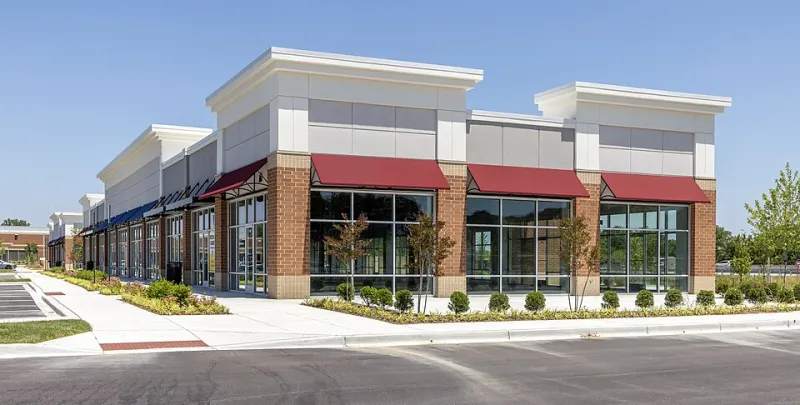
Photo: Acroterion, CC BY-SA 4.0, via Wikimedia Commons
In commercial real estate, location is everything — and sometimes the most important detail about a location is what's happening on the parcel next door.
A tenant signs a lease for a clean, well-maintained retail unit, only to discover months later that a dry cleaner two doors down has been releasing tetrachloroethylene (PCE) into the soil for twenty years. The plume doesn't care about lease boundaries, parking lot striping, or whose name is on the deed. It migrates with the groundwater, and it brings liability with it.
For facility managers, brokers, and business owners evaluating a new space, the environmental condition of adjacent properties deserves the same scrutiny as the building itself. Here's how to build that scrutiny into your process.
Why Adjacent Operations Deserve a Closer Look
Certain business types carry well-documented environmental footprints. Dry cleaning operations historically used chlorinated solvents that persist in soil and groundwater for decades. Automotive repair shops manage used oil, solvents, and waste fuels. Metal plating facilities handle heavy metals and caustic chemicals. Gas stations built before modern tank regulations may still have legacy petroleum releases beneath them.
The problem is one of geometry and geology. Contaminant plumes follow groundwater flow, which rarely respects property lines. A release that occurred on a neighboring parcel ten or twenty years ago can sit directly beneath your prospective space today — invisible, odorless, and expensive.
And here's the uncomfortable part: in many states, being the "innocent" party doesn't automatically shield you. Regulatory agencies can name neighboring property owners in enforcement actions, and the cost of proving your innocence — through sampling, legal counsel, and expert testimony — often lands on whoever is closest to the problem.
Step One: Read the Public Record
Before touring the space, spend an afternoon with publicly available data. Every state maintains a database of leaking underground storage tank (LUST) sites, spill reports, and remediation cases. These vary in name — some states call them leak databases, others maintain "EnviroMapper"-style portals or integrated cleanup registries — but nearly all are searchable by address.
What to look for:
- Active or closed release cases on adjacent parcels, including the contaminant type and the date of discovery.
- The status of remediation. A case marked "closed" with regulatory sign-off is very different from one that's been open and unresolved since 2003.
- Groundwater flow direction. Some state databases include plume maps. If the plume from the gas station next door is migrating toward your parcel, the risk profile changes considerably.
Pair this with the EPA's national databases and, where available, an environmental data provider report. None of this replaces professional assessment, but it costs nothing and can stop a bad deal before anyone spends money on it.
Step Two: Walk the Neighborhood With New Eyes
Public records lag behind reality. A dry cleaner that opened last year won't appear in a spill database yet. During site visits, note the businesses within a few hundred feet of the property — not just the immediate neighbors, but any operation with a history of chemical use. A drive through the surrounding blocks tells you more than a database query about current conditions.
Pay attention to details: vent pipes near a neighboring building's foundation, staining on shared pavement, unexplained patches of dead landscaping, or the distinctive solvent smell near a strip-mall utility closet.
Step Three: When Risk Is Real, Negotiate It Into the Lease
If the research surfaces a genuine concern, the answer isn't necessarily to walk away — it's to allocate the risk deliberately. Several tools exist:
- Baseline sampling before occupancy. Commission soil, soil-gas, or indoor air sampling before signing. Documenting conditions at move-in establishes a clear record of what you did and didn't inherit.
- Indemnification language. Negotiate a clause in which the landlord warrants that known contamination from adjacent or historical operations will not become the tenant's financial responsibility.
- Rent abatement or termination triggers. If contamination is discovered post-occupancy that materially affects the premises, the lease should define what happens — who pays, who remediates, and whether the tenant can exit.
- Access agreements. If remediation eventually requires work on your parcel, having pre-negotiated access terms in the lease prevents gridlock later.
An A1 Standard of Diligence
The businesses that navigate these situations best are the ones that treat environmental review as a standard part of site selection, not a reaction to bad news. A structured evaluation — public records, a physical survey, and lease terms that reflect what you found — converts an unknown hazard into a managed, priced, and documented risk.
The neighbor you inherit with your lease may be perfectly ordinary. But when it isn't, the difference between a manageable problem and a six-figure surprise is usually the diligence done before the keys changed hands.