The Field That Forgot: Why Decades of Doing Nothing Can Still Cost You
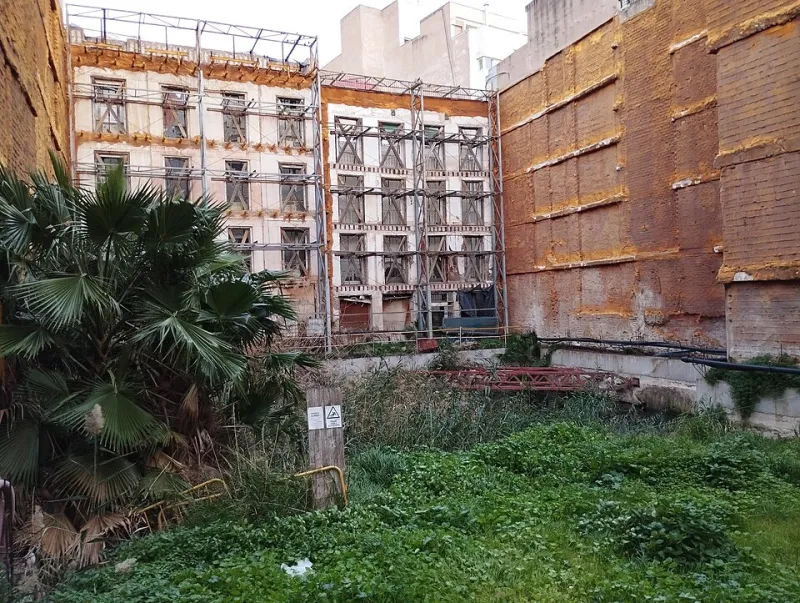
Photo: P4K1T0, CC0, via Wikimedia Commons
Every portfolio has one: a parcel the company bought in the 1980s or 1990s, never developed, never leased, and largely forgotten. Maybe it was acquired for an expansion that never happened. Maybe it came with a merger and nobody ever asked what was on it. The prevailing assumption is comforting — no operations means no contamination, no tenants means no liability.
That assumption is increasingly wrong, and the gap between perception and reality is widening as regulatory standards tighten. A property can accumulate environmental exposure while sitting perfectly still.
How Inert Land Becomes Active Liability
Contamination does not require an owner's participation. Groundwater plumes migrate, and they do not consult property lines. A dry cleaner, fuel depot, or metal finisher operating beside your vacant acreage can generate off-site migration that lands squarely on your parcel — and under CERCLA's strict liability framework, an owner can be drawn into response obligations regardless of who caused the release.
Illegal dumping is a second, underappreciated vector. Vacant land is attractive to contractors looking to avoid disposal fees. Drums of used oil, construction debris, tires, and even asbestos-containing material have a way of appearing on parcels nobody monitors. By the time a county code enforcement officer or a neighbor's attorney notices, the property owner is the respondent of record.
The third force is the one no one can see coming: changing standards. Chemicals that were unregulated when you bought the land — PFAS being the most prominent current example — can transform a clean bill of health from 1998 into a present-day question mark. Several states have adopted or are adopting enforceable PFAS limits in groundwater, and parcels near historical industrial or firefighting activity are being re-examined accordingly.
The Dormant Parcel Audit: A Four-Step Framework
Owners of long-held vacant land should treat the property the way a facility manager treats an active site — with periodic, documented review. A practical audit looks like this:
1. Reconstruct the history. Pull together the original acquisition file, any prior environmental reports, old aerial photographs, and Sanborn maps. Aerial imagery from sources like historical USGS collections can reveal a former gas station or dumping area that predates your ownership but still colors your risk profile.
2. Walk the ground. A site visit — ideally quarterly — should document access points, fencing condition, signs of dumping or trenching, stressed vegetation, staining, or unusual odors. Photograph everything. A dated photo log is both a management tool and evidence of reasonable care, which matters when asserting defenses such as the innocent landowner provision.
3. Check the neighborhood. Review the state environmental agency's database of leaking underground storage tanks, spill reports, and listed sites within a quarter mile. New listings near your boundary line are a signal to investigate, not to hope.
4. Reconcile with current standards. A report that cleared the property in 2005 was evaluated against 2005 criteria. Ask a qualified environmental professional whether the applicable screening levels have moved — for petroleum constituents, solvents, and increasingly for PFAS — and whether any prior findings would read differently today.
Test, Sell, or Hold: Making the Decision
Once the audit is complete, owners generally face three paths, each with distinct economics.
Testing is the lowest-commitment option. Limited Phase II work — a few soil borings and monitoring wells — typically runs in the tens of thousands of dollars and converts speculation into data. If results are clean, you have documentation that protects resale value and supports the innocent landowner defense. If they are not, early detection keeps remediation costs contained.
Selling a dormant parcel without current environmental information is where owners routinely lose money. Buyers and their lenders will assume the worst and price accordingly, or demand indemnities that outlive the sale. Commissioning assessment work before listing — or structuring the transaction so a buyer can perform diligence under a prospective purchaser agreement — usually recovers far more than it costs.
Holding remains legitimate, but it should be a decision, not a default. Continued ownership means continued exposure to migration and dumping, so budget for routine inspection, maintain liability insurance appropriate to the risk, and consider whether a conservation easement or land trust arrangement fits the parcel's long-term role.
Documentation Is the Cheapest Insurance You Can Buy
Regulators and courts respond differently to owners who can show a pattern of reasonable care. Inspection logs, current environmental reports, and prompt response to discovered dumping all support available defenses and signal good faith. The alternative — a parcel nobody has visited since the Clinton administration — invites exactly the outcome diligent stewardship avoids.
Dormant land feels free. It rarely is. A modest, scheduled audit of the parcels you have stopped thinking about is among the highest-return risk management activities available to any American business holding legacy real estate.