Who Cleans Up the Spill? Allocating Environmental Liability in Triple-Net Lease Relationships
Photo: David Dixon , CC BY-SA 2.0, via Wikimedia Commons
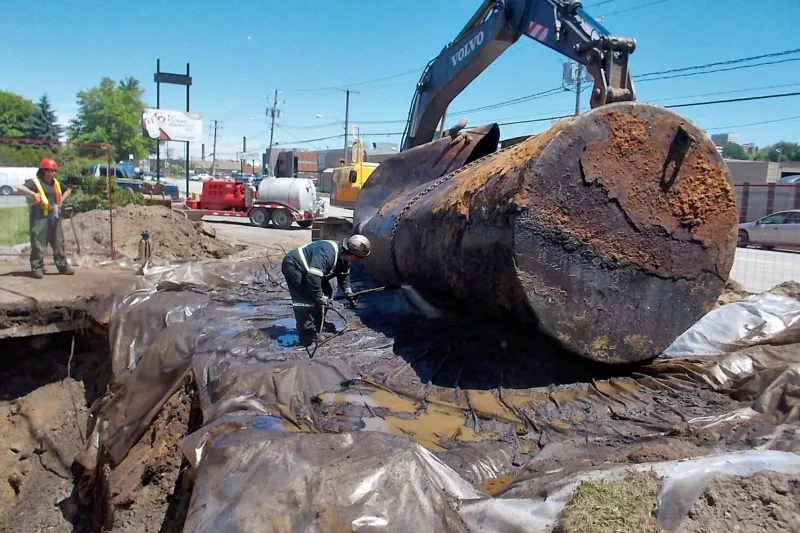
When a Phase II assessment turns up solvent contamination beneath the loading dock of a leased distribution center, the phone calls start immediately — and the first question is almost always the wrong one. Tenants point to the lease. Landlords point to the tenant. Both assume the document signed at move-in settles the matter.
In practice, it rarely does. Environmental liability in the United States flows through channels that a lease can reallocate between private parties but cannot extinguish. Understanding where those channels run is essential for anyone who owns, occupies, or manages industrial and retail real estate.
The Lease Allocates Risk Between Parties — Not With Regulators
Triple-net (NNN) leases are designed to push operating costs — taxes, insurance, maintenance — onto the tenant. In many industrial leases, environmental responsibility is treated as just another operating expense, with broad indemnification clauses requiring the tenant to "comply with all applicable laws" and hold the landlord harmless from any "hazardous materials released during the lease term."
That language works reasonably well for a roof repair. It works far less well when the state environmental agency or the EPA comes calling.
Under CERCLA, the federal cleanup statute, liability attaches to categories of "responsible parties," including current owners and operators of a contaminated facility. A landlord who never touched a drum of waste can still face a cleanup order as the current owner. A tenant can face liability as an operator. The lease governs how the two of them settle accounts between themselves; it does not bind the regulator, who may pursue either or both regardless of what the contract says.
A Scenario That Plays Out Weekly Somewhere in America
Consider a mid-sized auto service tenant on a ten-year NNN lease in a suburban office park. The tenant's hydraulic lifts leak transmission fluid and a small solvent spill goes unreported for years. When the property is refinanced, the lender's environmental consultant finds a trichloroethylene plume in the groundwater.
The landlord demands the tenant indemnify under the lease. The tenant's attorney counters that the clause covers only releases "caused solely by" the tenant — and points out that the parcel hosted a dry cleaner in the 1980s. The state agency, meanwhile, has sent a notice of responsibility to the property owner, full stop.
Both parties are now funding attorneys and consultants to argue about a plume that grows more expensive every quarter. This is the predictable outcome when environmental risk is treated as boilerplate rather than negotiated with the same care as rent escalations.
Negotiation Strategies for Each Side of the Table
For landlords:
- Require tenants to disclose all hazardous materials stored on site, with annual updates, and reserve audit rights to verify.
- Cap the indemnity's scope carefully. An uncapped indemnity sounds protective but can render a deal unbankable; a defined cap tied to insurance proceeds is often more useful in practice.
- Insist on being named an additional insured on the tenant's pollution liability policy, not just their general liability policy — the latter typically excludes contamination.
For tenants:
- Demand a baseline environmental condition report before signing. Without a documented baseline, every pre-existing issue becomes a dispute about attribution.
- Negotiate a "sole negligence" qualifier into any indemnity, so the tenant answers only for contamination it actually caused.
- Push back on obligations to remediate "to regulatory closure" — a standard that can drift as cleanup criteria tighten. A fixed standard or a cost cap is far easier to underwrite.
Where the Lease Ends and Insurance Begins
There are circumstances in which no amount of drafting saves either party: a release that predates the tenancy, contamination that migrated from a neighbor, or a cleanup standard that expands mid-project. In these gaps, environmental insurance is frequently the only instrument that holds.
Pollution legal liability (PLL) policies written for landlords cover third-party claims and cleanup obligations arising from owned property, including pre-existing conditions if disclosed and underwritten. Tenant-side policies can be structured to backstop the indemnity the lease requires. Neither is inexpensive, but both are dramatically cheaper than funding a groundwater remedy from operating cash.
The practical sequence for facility managers and asset managers alike is straightforward: know the environmental baseline before the lease is signed, match the indemnity language to the actual risk profile, verify the insurance certificates annually rather than at signing, and bring environmental counsel in before — not after — the regulator's letter arrives.
The A1 Standard for Leased Property
Contamination disputes between landlords and tenants are rarely won in court; they are won or lost in the drafting and diligence that happen years earlier. A1-rated environmental programs treat the lease as one layer of a risk structure — paired with site assessments, documented material handling practices, and insurance calibrated to the real exposure. Businesses that build that structure before the spill spend their capital on remediation. Those that don't spend it on litigation.