The Water You Don't Think About: Assembling a Water Management Plan Your Insurer Can Read
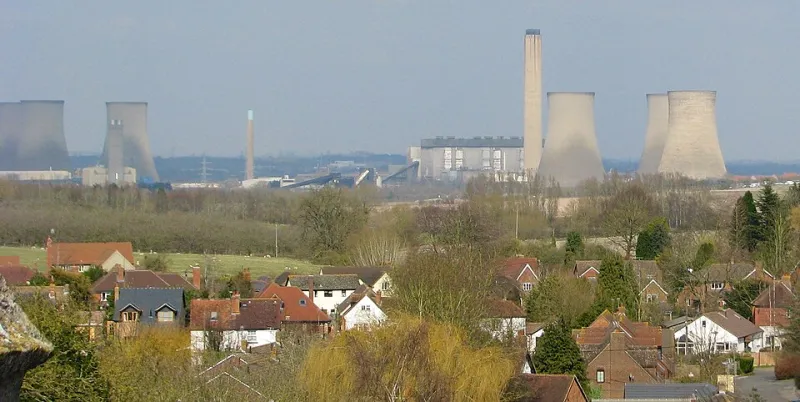
Photo: Skyring, CC BY-SA 4.0, via Wikimedia Commons
Among the systems a facility manager inherits with a building, domestic water is often the least examined. It arrives, it is used, it leaves. Other than an occasional complaint about temperature or pressure, it tends not to generate work orders. That quietness is precisely why water systems have become a subject of sustained attention from insurers, and why the request for a water management plan now appears on renewal questionnaires that once asked only about fire protection and roof age.
Why the Question Arrived
The concern is not the water itself but the aerosol it can produce. Cooling towers, evaporative condensers, whirlpool spas, decorative fountains, misters, humidifiers, and showerheads can generate droplets small enough to be inhaled deep into the lung. When water in those systems sits within a certain temperature range and is allowed to stagnate, conditions favor amplification of Legionella bacteria. A single colonized cooling tower can distribute organisms across a considerable distance.
The result is a well-documented history of outbreaks traced to building water systems, and a corresponding shift among insurers, who now treat water management as part of the same loss-prevention conversation as electrical maintenance or sprinkler testing.
What a Water Management Plan Contains
A credible plan is not a thick document; it is a specific one. In broad outline it should identify every system and component that could aerosolize water or support amplification, describe where the water comes from and how it moves, set out the control measures applied to each system, name who is responsible for each step, and explain what happens when monitoring shows the controls are not working.
Most plans are built around a small number of working parts: a system survey and process flow diagram; an analysis of hazards and the conditions that favor growth; identification of control points and the limits that define acceptable operation; monitoring and corrective action procedures; verification that the plan is being implemented as written; and a validation step that confirms the overall approach is reducing risk.
The plan should also name a responsible party with the authority to act, and describe how the facility responds to a confirmed case of Legionnaires' disease associated with the building.
The Survey: Knowing What You Have
Water management failures often begin with an incomplete inventory. A cooling tower is easy to remember because it is large and loud. A decorative fountain in a lobby, an ice machine, a fire sprinkler system that holds water for months, an emergency eyewash station, a humidifier on an air handler — these are less memorable and equally relevant.
The survey should record locations, capacities, operating schedules, and any periods of seasonal shutdown. Idle periods matter a great deal, because stagnation is one of the conditions the plan exists to manage.
Control Measures and Monitoring
Controls typically include temperature management, biocide dosing, periodic flushing, physical cleaning, and the use of drift eliminators. Whatever combination is chosen, each control needs a measurable limit and a defined frequency.
This is where plans separate into two categories. A plan that says the cooling tower will be treated regularly is a statement of intent. A plan that specifies residual biocide targets, test frequency, the acceptable range, the actions required if a result falls outside the range, and the person accountable for that action is a document an insurer can evaluate.
The Records That Do the Work
At renewal, the questionnaire will ask whether a plan exists. The follow-up, increasingly, asks for evidence. The evidence is unglamorous and cumulative: logs of biocide testing with dates and readings, cleaning and inspection records for towers and fountains, corrective action reports showing that an out-of-range result was addressed, training records for the staff performing the work, and documentation of any third-party service provider's scope and qualifications.
Gaps in that record are interpreted the same way an underwriter interprets any other gap: as an absence of control. A facility that logs readings consistently for eight months and then shows nothing for the hottest quarter of the year is telling a story it did not intend to tell.
Responding to a Positive Result
A positive Legionella sample is not, by itself, evidence of a failure. It is a signal that the plan should have anticipated. What matters is the documented response: the immediate corrective actions taken, the follow-up sampling performed, the communication with the building's occupants or tenants as appropriate, and the adjustment to the plan if the event revealed a gap.
Facilities that have rehearsed this sequence move quickly. Facilities that have not often lose days deciding who calls whom.
Preparing for Renewal Season
The practical work is best done months before the questionnaire arrives. Confirm the inventory is current, particularly after any renovation or tenant change. Verify that logs are complete for every system, including those shut down seasonally. Make sure the responsible party named in the plan is still employed at the facility. And read the plan as an outsider would, asking whether it demonstrates a system being operated or merely describes one.
Water management is one of the few risk areas where the paper trail is nearly as important as the chemistry — and where a well-kept record is the most persuasive argument a facility can make.